.png)


Empowering Students: Dr. Paty Fernández's Vision
- drapatriciafernand9
- Aug 20, 2025
- 5 min read
In today's fast-paced world, education is more than just a means to an end. It is a powerful tool that shapes the future of individuals and communities. Dr. Paty Fernández understands this deeply. Her vision for education goes beyond traditional teaching methods. She believes in empowering students to take charge of their learning journey. This blog post explores Dr. Fernández's innovative approach and how it can inspire both educators and students alike.
Dr. Fernández's philosophy centers on the idea that every student has unique strengths and potential. She emphasizes the importance of recognizing these individual qualities. By doing so, educators can create a more inclusive and supportive learning environment. This approach not only boosts students' confidence but also encourages them to pursue their passions.
The Importance of Student Empowerment
Empowering students is crucial for their personal and academic growth. When students feel empowered, they are more likely to engage in their learning. They take ownership of their education and become active participants in the classroom. This shift in mindset can lead to improved academic performance and a greater sense of fulfillment.
Dr. Fernández advocates for several key strategies to empower students:
Encouraging Critical Thinking: Students should be encouraged to ask questions and think critically about the material. This helps them develop problem-solving skills that are essential for success in life.
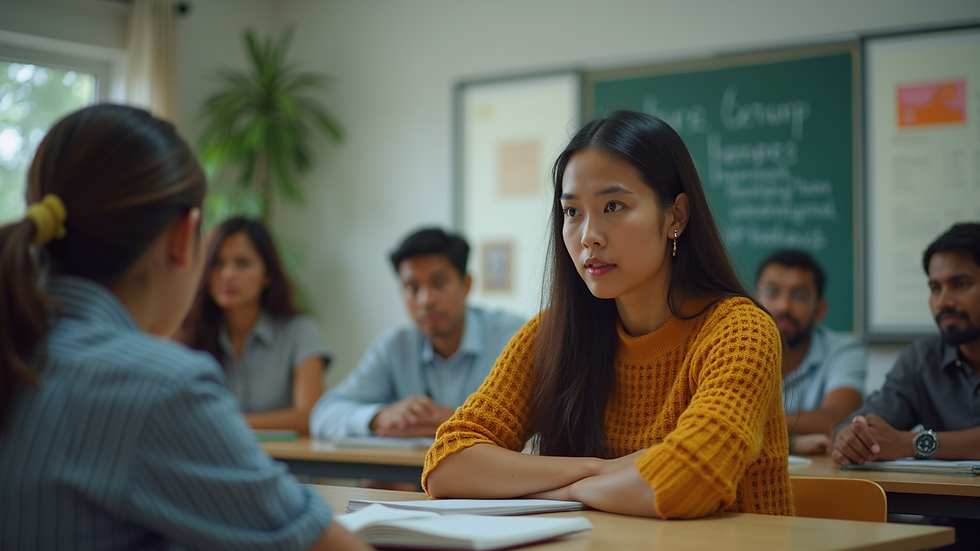
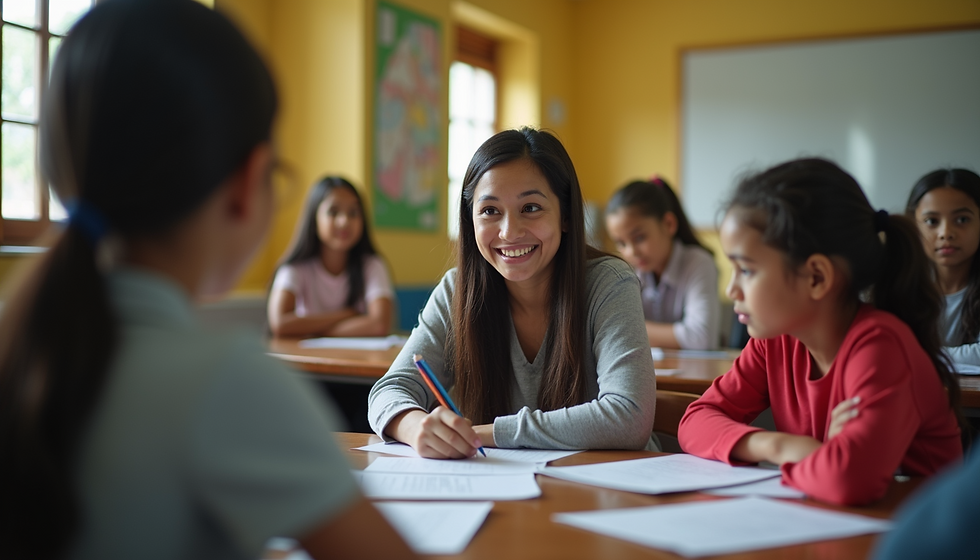
Fostering Collaboration: Group work and collaborative projects allow students to learn from one another. This not only enhances their understanding of the subject matter but also builds important social skills.
Promoting Self-Directed Learning: Students should be given the tools and resources to explore topics that interest them. This autonomy fosters a love for learning and encourages lifelong education.
Innovative Teaching Methods
Dr. Fernández believes that traditional teaching methods often fall short in meeting the needs of today's students. She advocates for innovative approaches that engage students in meaningful ways. Here are some methods she supports:
Project-Based Learning
Project-based learning (PBL) is an effective way to engage students. In PBL, students work on real-world projects that require critical thinking and collaboration. This hands-on approach allows students to apply their knowledge in practical situations.
For example, a group of students might work on a project to design a sustainable garden for their school. They would research plants, create a budget, and present their plan to the school board. This type of learning not only teaches academic skills but also instills a sense of responsibility and teamwork.
Technology Integration
Incorporating technology into the classroom can enhance the learning experience. Dr. Fernández encourages educators to use digital tools that facilitate collaboration and creativity. For instance, students can use online platforms to share their work and receive feedback from peers.
Additionally, technology can provide access to a wealth of resources. Students can explore topics through videos, articles, and interactive simulations. This variety keeps learning exciting and relevant.
Personalized Learning
Every student learns differently. Dr. Fernández emphasizes the importance of personalized learning. This approach tailors education to meet the individual needs of each student. Educators can use assessments to identify students' strengths and weaknesses. From there, they can create customized learning plans that cater to each student's unique learning style.
For example, a student who struggles with reading might benefit from audiobooks or visual aids. Meanwhile, a student who excels in math could be challenged with advanced problems. This flexibility ensures that all students can thrive.
Building a Supportive Community
Creating a supportive community is essential for student empowerment. Dr. Fernández believes that strong relationships between students, teachers, and parents can significantly impact a student's success. Here are some ways to foster this sense of community:
Open Communication
Encouraging open communication between students and teachers is vital. When students feel comfortable expressing their thoughts and concerns, they are more likely to engage in their learning. Regular check-ins and feedback sessions can help build trust and rapport.
Involving Parents
Parents play a crucial role in their child's education. Dr. Fernández advocates for involving parents in the learning process. Schools can host workshops and events that educate parents about the curriculum and how they can support their child's learning at home.
Celebrating Achievements
Recognizing and celebrating students' achievements, both big and small, can boost their confidence. Schools can create a culture of recognition by highlighting student accomplishments in newsletters, assemblies, or social media. This positive reinforcement encourages students to strive for excellence.
The Role of Educators
Educators are at the forefront of empowering students. Dr. Fernández believes that teachers should be equipped with the skills and knowledge to implement innovative teaching methods. Professional development opportunities are essential for educators to stay current with best practices.
Continuous Learning
Teachers should engage in continuous learning to enhance their teaching skills. Workshops, conferences, and online courses can provide valuable insights into new teaching strategies. By staying informed, educators can better support their students' needs.
Building Relationships
Strong relationships between teachers and students are crucial for a positive learning environment. Dr. Fernández encourages educators to take the time to get to know their students. Understanding their interests, strengths, and challenges can help teachers tailor their approach to meet individual needs.
Being Role Models
Teachers serve as role models for their students. Dr. Fernández emphasizes the importance of demonstrating a love for learning and a growth mindset. When students see their teachers embracing challenges and learning from mistakes, they are more likely to adopt a similar attitude.
Real-Life Examples of Empowerment
Dr. Fernández's vision for empowering students is not just theoretical. Many schools and educators are already implementing these ideas with great success. Here are a few inspiring examples:
The Green School in Bali
The Green School in Bali is a prime example of project-based learning. Students engage in hands-on projects that focus on sustainability and environmental awareness. They learn about renewable energy, organic farming, and conservation through real-world experiences. This approach not only empowers students but also instills a sense of responsibility for the planet.
The Khan Academy
Khan Academy is an online platform that offers personalized learning resources for students. It provides a wide range of subjects and allows students to learn at their own pace. This flexibility empowers students to take control of their education and focus on areas where they need improvement.
The High Tech High Network
The High Tech High network in California emphasizes project-based learning and collaboration. Students work on interdisciplinary projects that require critical thinking and creativity. This approach prepares them for the challenges of the real world and empowers them to become active contributors to society.
The Future of Education
As we look to the future, Dr. Fernández's vision for empowering students is more relevant than ever. The world is changing rapidly, and education must adapt to meet the needs of future generations. By embracing innovative teaching methods and fostering a supportive community, we can create an educational landscape that empowers all students.
Embracing Change
Educators, parents, and policymakers must be willing to embrace change. This means being open to new ideas and approaches that prioritize student empowerment. By working together, we can create a more inclusive and effective education system.
Advocating for Student Voice
Students should have a voice in their education. Dr. Fernández encourages schools to involve students in decision-making processes. This can include student councils, feedback surveys, and opportunities for students to share their ideas. When students feel heard, they are more likely to engage in their learning.
Lifelong Learning
Finally, the concept of lifelong learning should be embraced by all. Education does not end in the classroom. Dr. Fernández believes that fostering a love for learning will prepare students for success in an ever-changing world. By instilling this mindset, we can empower students to continue growing and evolving throughout their lives.
In a world where education is constantly evolving, Dr. Paty Fernández's vision stands out. By empowering students, we can create a brighter future for individuals and communities alike. Her innovative approaches and commitment to student success serve as a guiding light for educators everywhere. Together, we can build an educational system that truly empowers every student to reach their full potential.
Comments